I burned the ground beef at least three times before I figured out why it never tasted quite right in my Korean ground beef rice bowls. Sounds silly, right? But honestly, I used to rush the cooking, cranking the heat too high and ending up with tough, dry meat that tasted more bitter than savory. I didn’t even like this dish at first because it felt so off—more like a chore than a treat.
One damp evening, while fiddling with the sauce and trying to perfect my homemade gochujang sauce, something clicked. The key wasn’t just the sauce—it was the way I cooked the beef and balanced the flavors. The sweet, spicy, and umami notes had to sing together without one overpowering the other. After that, this recipe stuck with me, surprising me every time with how deeply satisfying it could be.
It’s funny how a simple bowl of Korean ground beef and rice can turn into this soul-soothing meal, especially on days when you need something quick yet comforting. I keep coming back to it because it’s honest food—no frills, just bold, approachable flavors that hit the spot. If you’re like me and have wrestled with this dish, I hope this recipe makes you feel like you’ve finally gotten it right, too.
Why You’ll Love This Recipe
This recipe for Flavorful Korean Ground Beef Rice Bowls with Gochujang Sauce has been through many trials, and I’m confident it’s one you’ll appreciate for several reasons:
- Quick & Easy: Ready in under 30 minutes, it’s ideal for busy weeknights or when you want a fuss-free meal that still feels special.
- Simple Ingredients: You don’t need exotic items; most ingredients are pantry staples or easy to find at any grocery store.
- Perfect for Casual Dinners: Whether you’re feeding family or friends, this dish is a crowd-pleaser that works for casual meals or informal get-togethers.
- Crowd-Pleaser: Kids and adults alike rave about the spicy-sweet balance, with the gochujang sauce adding a unique kick.
- Unbelievably Delicious: The combination of caramelized beef, savory soy notes, and the vibrant heat of homemade gochujang is just next-level comfort food.
- What Makes This Recipe Different: Instead of using store-bought gochujang, this version includes an easy homemade sauce that’s less salty and can be adjusted to your spice preference. Plus, cooking the beef low and slow rather than high heat keeps it tender and juicy.
- This recipe isn’t just a bowl of beef and rice—it’s a dinner that makes you pause and savor, even on the busiest days.
What Ingredients You Will Need
This recipe uses simple, wholesome ingredients to deliver bold flavor and satisfying texture without the fuss. Most are pantry staples, and substitutions are straightforward if needed.
- Ground Beef (80/20 blend): The fat content is key for flavor and tenderness. I prefer grass-fed when possible.
- Cooked White Rice: Short or medium grain rice works best for that sticky texture. You can swap brown rice for a healthier twist.
- Gochujang Paste: A Korean chili paste that brings heat and sweetness. If you want to make the sauce from scratch, see the recipe below.
- Soy Sauce: Use low-sodium for better control over saltiness.
- Sesame Oil: Adds that nutty depth. Toasted sesame oil is my favorite brand for authentic flavor.
- Garlic: Fresh minced garlic, about 2 cloves.
- Ginger: Fresh grated ginger, around 1 teaspoon, for brightness.
- Brown Sugar or Honey: Balances the spice with a touch of sweetness.
- Green Onions: Thinly sliced for garnish and freshness.
- Sesame Seeds: Toasted, sprinkled on top for crunch.
- Optional Veggies: Shredded carrots, cucumber slices, or sautéed spinach add color and texture.
If you want a gluten-free version, make sure your soy sauce is tamari-based. For a vegetarian spin, swap the beef with crumbled tofu or lentils, and consider using a mushroom-based soy sauce alternative.
Equipment Needed
Here’s what you’ll need to get this dish on your table without hassle:
- Large Skillet or Nonstick Pan: Essential for cooking the ground beef evenly. I’ve found a cast iron skillet works wonders for flavor, but a good nonstick pan is easier to clean.
- Mixing Bowls: For combining the sauce ingredients smoothly.
- Rice Cooker or Pot: To prepare the rice. Rice cookers save time and consistently produce fluffy rice.
- Measuring Spoons and Cups: Accuracy matters for balancing flavors.
- Grater or Microplane: For fresh ginger—grated ginger makes a big difference in flavor.
If you don’t have a cast iron skillet, a heavy-bottomed sauté pan will do fine. For budget-friendly options, a basic nonstick skillet and a pot with a tight-fitting lid will cover the essentials. Keep your pans well-seasoned or clean to prevent sticking, especially when caramelizing the beef.
Preparation Method
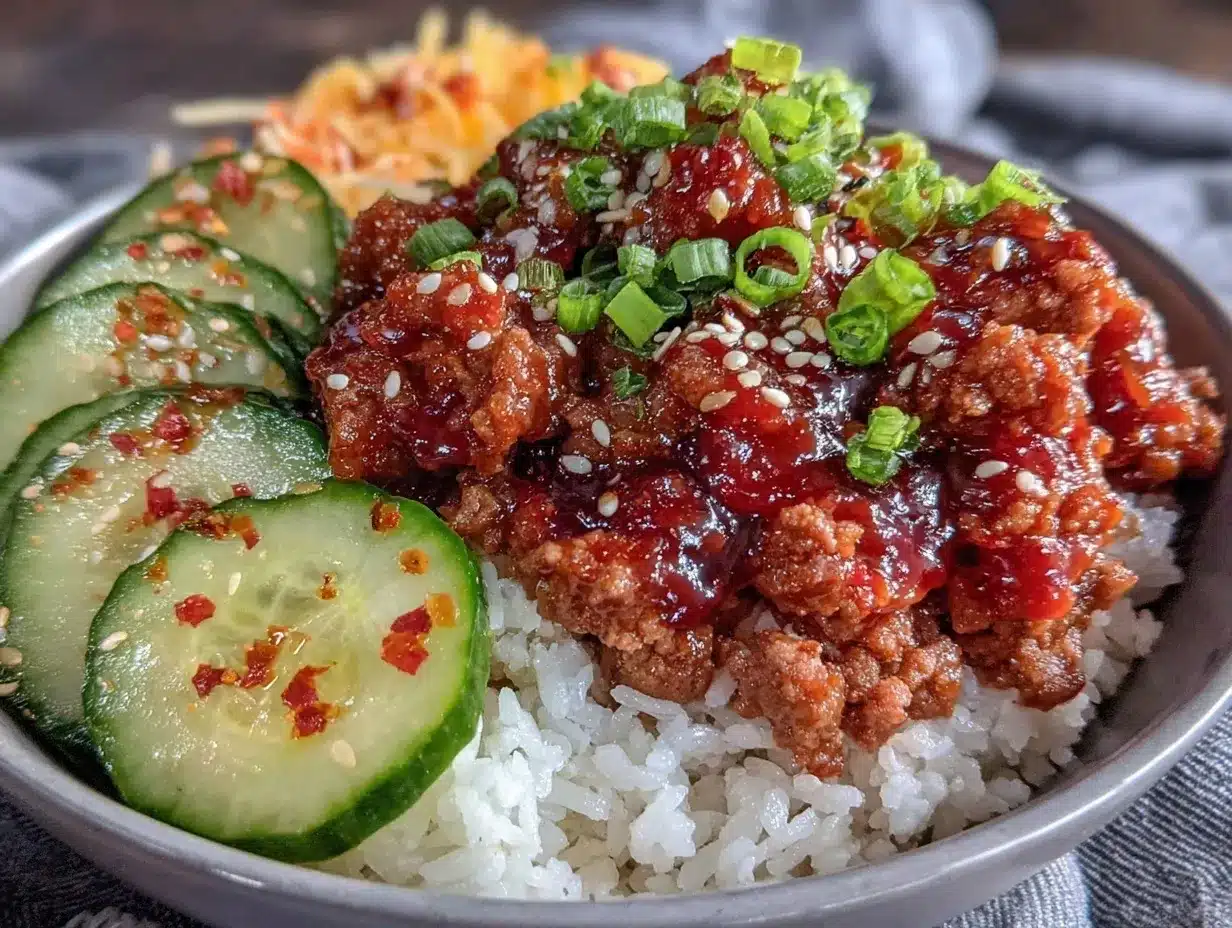
- Prepare the Rice: Start by cooking 2 cups (370g) of white rice according to package instructions. This usually takes about 20 minutes. Fluffy, slightly sticky rice is the perfect base for this bowl.
- Make the Gochujang Sauce: In a small bowl, whisk together 3 tablespoons gochujang paste, 2 tablespoons soy sauce, 1 tablespoon sesame oil, 1 tablespoon brown sugar, 1 teaspoon minced garlic, and 1 teaspoon grated fresh ginger. Adjust sweetness or spice to taste. Set aside.
- Cook the Ground Beef: Heat a large skillet over medium-low heat. Add 1 pound (450g) of ground beef and cook slowly, breaking it up with a spatula. Cook for about 8-10 minutes, stirring occasionally, until nicely browned but still juicy. Avoid high heat to prevent drying out.
- Drain Excess Fat: Carefully drain excess fat if there’s more than a tablespoon, but leave enough for flavor.
- Add the Sauce: Pour the prepared gochujang sauce over the beef. Stir well to coat evenly. Simmer for 2-3 minutes to let the flavors meld and the sauce thicken slightly.
- Prepare Garnishes and Veggies: While beef simmers, slice green onions, toast sesame seeds in a dry pan over medium heat for 2 minutes, and prep any optional veggies like shredded carrots or cucumber slices.
- Assemble Bowls: Spoon cooked rice into bowls. Top generously with the saucy ground beef. Garnish with green onions, toasted sesame seeds, and optional veggies.
- Serve: Serve warm with a side of kimchi or pickled radishes, if you like. The flavors deepen if it sits for 10 minutes but tastes excellent fresh off the stove.
Quick tip: If you notice the sauce is too thick, add a splash of water or broth to loosen it up without losing flavor. Also, cooking the beef gently (not rushing it) brings out that caramelized flavor instead of bitterness.
Cooking Tips & Techniques
Cooking this Korean ground beef rice bowl well is about balance and patience. Here’s what I’ve learned:
- Low and slow when browning the beef: It’s tempting to crank up the heat, but medium-low lets the beef caramelize nicely without drying out.
- Don’t skip fresh ginger and garlic: They add brightness and depth, cutting through the richness of the meat and sauce.
- Adjust the gochujang paste carefully: It can be quite spicy and salty. Taste as you go, especially if you’re making your own sauce.
- Multitask by prepping garnishes while meat cooks: Saves time and keeps the process smooth.
- Use toasted sesame seeds for texture: They add a subtle crunch and nutty aroma that lifts the dish.
- Store leftovers separately: Keep rice and beef in separate containers to prevent sogginess.
My early mistakes were rushing the beef and overloading the sauce with gochujang, which made it overly spicy and masked the savory notes. Patience and tasting throughout the process make all the difference.
Variations & Adaptations
One of my favorite things about this recipe is how flexible it is. Here are some ways you can make it your own:
- Spice Level: If you like it milder, reduce the gochujang by half or swap some with sweet chili sauce. For heat lovers, add a sprinkle of Korean chili flakes (gochugaru).
- Protein Swap: Use ground turkey or chicken for a leaner version, or try crumbled tofu for a vegetarian take. Lentils also work well if you want a plant-based option.
- Rice Alternatives: Try cauliflower rice or quinoa for a low-carb or higher-protein base.
- Cooking Method: This recipe works in a slow cooker too—brown the beef first, then combine with sauce and cook on low for 3-4 hours for hands-off prep.
- Veggie Boost: Mix in sautéed mushrooms or bell peppers for extra texture and nutrition. I sometimes add steamed broccoli on top for a quick green hit.
Personally, I’ve made this with both white and brown rice. Brown rice adds nuttiness but takes longer to cook, so plan ahead. Once, I threw in some kimchi on top for a tangy twist that brought new life to the dish.
Serving & Storage Suggestions
Serve these bowls warm, straight from the skillet, for the best experience. The contrast between the hot, savory beef and the fluffy rice is just right. Garnish with green onions and sesame seeds for a nice presentation.
Pair with simple sides like steamed or pickled veggies, or a refreshing drink such as the fruity sparkling lemonade punch to brighten the meal. For a heartier dinner, serve alongside crispy sides like sweet potato and black bean quesadillas.
Leftovers keep well in an airtight container in the fridge for up to 3 days. Store rice and beef separately to prevent the rice from becoming mushy. Reheat gently in a skillet or microwave, adding a splash of water to loosen the sauce if needed.
Flavors tend to deepen after a day, so leftovers can taste even better the next day if you have the patience!
Nutritional Information & Benefits
This dish offers a balanced mix of protein, carbs, and healthy fats. A serving provides approximately 450-500 calories, with around 25 grams of protein from the ground beef.
Key benefits include:
- Protein-rich: Ground beef supplies iron and B vitamins essential for energy.
- Gochujang: Fermented chili paste brings probiotics and boosts metabolism, plus antioxidants from chili peppers.
- Sesame oil and seeds: Contain heart-healthy fats and vitamin E.
- Gluten-free option: Using tamari soy sauce keeps this meal gluten-free.
From a wellness perspective, this bowl fills you up without feeling heavy, and the homemade sauce keeps sodium in check compared to store-bought alternatives.
Conclusion
This recipe for Flavorful Korean Ground Beef Rice Bowls with Gochujang Sauce is one I keep coming back to because it works—simple, quick, and deeply satisfying. The method I’ve shared has saved me from those early kitchen flops and turned this dish into a weeknight staple.
Feel free to tweak the spice levels, protein, or veggies to fit your taste. I love how forgiving it is and how it welcomes personal touches without losing its soul.
Give it a try and let me know how it turns out for you. Your feedback and adaptations always make this journey more fun and delicious. Here’s to many cozy, flavorful bowls ahead!
FAQs
Can I use a different type of meat instead of ground beef?
Absolutely! Ground turkey, chicken, or even pork work well. Just adjust the cooking time accordingly.
Is there a vegan version of this recipe?
Yes, swap the ground beef for crumbled tofu, lentils, or a plant-based meat alternative. Use tamari soy sauce to keep it gluten-free and vegan-friendly.
How spicy is the gochujang sauce?
Gochujang has a moderate heat with a sweet undertone. You can reduce the amount or mix it with some honey to mellow the spice.
Can I prepare the sauce ahead of time?
Definitely. The sauce can be mixed and stored in the fridge for up to a week, making weeknight cooking even faster.
What’s the best way to store leftovers?
Store the beef and rice separately in airtight containers in the fridge for up to 3 days. Reheat gently with a splash of water to keep the beef saucy.
Pin This Recipe!
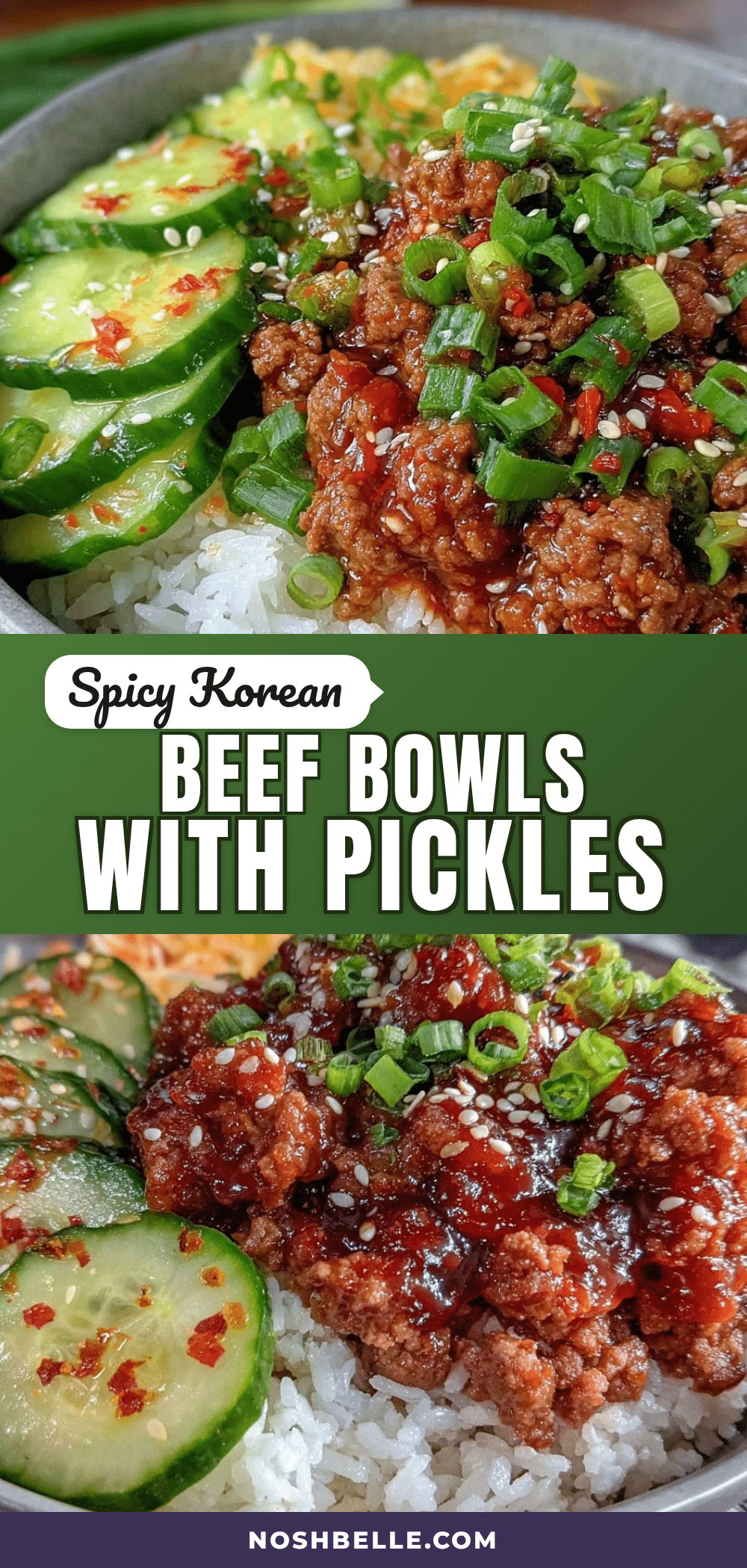
Flavorful Korean Ground Beef Rice Bowls Easy Homemade Gochujang Sauce Recipe
A quick and easy Korean ground beef rice bowl recipe featuring a homemade gochujang sauce that balances sweet, spicy, and umami flavors. Perfect for busy weeknights and customizable for various dietary preferences.
- Prep Time: 10 minutes
- Cook Time: 20 minutes
- Total Time: 30 minutes
- Yield: 4 servings 1x
- Category: Main Course
- Cuisine: Korean
Ingredients
- 1 pound (450g) ground beef (80/20 blend)
- 2 cups (370g) cooked white rice (short or medium grain)
- 3 tablespoons gochujang paste
- 2 tablespoons low-sodium soy sauce (or tamari for gluten-free)
- 1 tablespoon sesame oil
- 1 tablespoon brown sugar or honey
- 1 teaspoon minced garlic (about 2 cloves)
- 1 teaspoon grated fresh ginger
- Green onions, thinly sliced (for garnish)
- Toasted sesame seeds (for garnish)
- Optional veggies: shredded carrots, cucumber slices, sautéed spinach
Instructions
- Prepare the rice by cooking 2 cups (370g) of white rice according to package instructions, about 20 minutes.
- In a small bowl, whisk together 3 tablespoons gochujang paste, 2 tablespoons soy sauce, 1 tablespoon sesame oil, 1 tablespoon brown sugar, 1 teaspoon minced garlic, and 1 teaspoon grated fresh ginger. Adjust sweetness or spice to taste and set aside.
- Heat a large skillet over medium-low heat. Add 1 pound (450g) ground beef and cook slowly, breaking it up with a spatula, for 8-10 minutes until browned but still juicy.
- Drain excess fat if more than a tablespoon remains, leaving enough for flavor.
- Pour the prepared gochujang sauce over the beef. Stir well to coat evenly and simmer for 2-3 minutes to meld flavors and thicken the sauce slightly.
- While beef simmers, slice green onions, toast sesame seeds in a dry pan over medium heat for 2 minutes, and prep any optional veggies.
- Assemble bowls by spooning cooked rice into bowls, topping generously with saucy ground beef, and garnishing with green onions, toasted sesame seeds, and optional veggies.
- Serve warm, optionally with kimchi or pickled radishes. Flavors deepen if allowed to sit for 10 minutes but taste excellent fresh.
Notes
Cook the beef on medium-low heat to keep it tender and juicy, avoiding bitterness from burning. Adjust gochujang paste to control spice level. Store rice and beef separately to prevent sogginess. Sauce can be thinned with water or broth if too thick. Leftovers keep well refrigerated for up to 3 days.
Nutrition
- Serving Size: 1 bowl (approximatel
- Calories: 475
- Sugar: 8
- Sodium: 600
- Fat: 28
- Saturated Fat: 10
- Carbohydrates: 35
- Fiber: 2
- Protein: 25
Keywords: Korean ground beef, gochujang sauce, rice bowls, quick dinner, easy recipe, homemade sauce, weeknight meal, Korean cuisine, spicy beef bowl