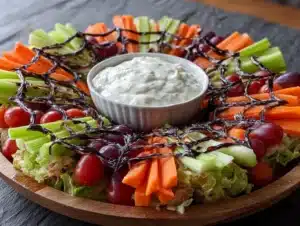
This was supposed to be a Greek wrap. I had the pita bread warming on the skillet, the tzatziki sauce chilling in the fridge, and I was already running ten minutes late for a potluck my neighbor Sarah was hosting. I grabbed the biggest box of pasta I could find instead of the pita—honestly, I was distracted by my toddler who had just dumped an entire bag of flour on the kitchen floor. The pita bread went stale while I cleaned up the mess, and there I was, staring at a box of rotini and a fridge full of Mediterranean ingredients with no plan. What came out was nothing like the plan—and better.
I threw the pasta into boiling water, chopped up some cucumbers and tomatoes, and started tossing things together with a lemony vinaigrette that I sort of made up on the spot. I crumbled in some feta cheese—maybe a little too much, but let’s be real, is there such a thing?—and by the time I walked into Sarah’s house with this giant bowl of what I was calling “pasta salad,” I was still half-convinced it was a failure. But you know that feeling when you take that first bite of something you threw together in panic, and it actually works? That was this salad.
People kept coming back for seconds. Someone asked for the recipe before I even set the bowl down. And honestly, I’ve been making it ever since—it’s become my go-to for every potluck, picnic, and lazy dinner. Maybe you’ve been there too, staring at a fridge full of odds and ends, wondering if you can make something good out of what you’ve got. Turns out, you absolutely can. This Mediterranean pasta salad with feta is proof that the best recipes sometimes come from the messiest moments.
Why You’ll Love This Recipe
Look, I’ve tested this Mediterranean pasta salad more times than I can count. I’ve made it with different pastas, different dressings, different ratios of veggies—and this version is the one that finally stuck. It’s the one I bring to every gathering, and it’s the one that always gets the same response: “Can I have the recipe?”
- Quick & Easy: This whole thing comes together in about 20 minutes. I mean it—20 minutes from start to finish. That’s faster than ordering takeout in some cases.
- Simple Ingredients: You probably already have most of these in your kitchen. Olive oil, lemon juice, garlic, salt, pepper—these are pantry staples. The fresh veggies and feta are just a quick grocery run away.
- Perfect for Potlucks and Picnics: This salad travels beautifully. It doesn’t wilt, it doesn’t get soggy, and it actually tastes better after sitting in the fridge for a few hours. Make it the night before and you’re golden.
- Crowd-Pleaser: I’ve served this to kids, adults, picky eaters, and even my uncle who claims he “doesn’t do pasta salads.” He asked for the recipe. Enough said.
- Unbelievably Delicious: The texture combo is next-level—tender pasta, crunchy veggies, creamy feta, and that tangy lemon dressing that ties it all together. It’s comfort food with a Mediterranean twist.
What makes this different from other pasta salads? It’s the dressing, honestly. Most recipes use bottled Italian dressing or too much mayo. This one uses a simple homemade vinaigrette that’s bright, herby, and perfectly balanced. And the feta—good quality feta, not the pre-crumbled stuff—makes all the difference. It’s creamy, salty, and just melts into the pasta in the best way.
This isn’t just another pasta salad. It’s the one that makes you close your eyes after the first bite. It’s comfort food reimagined—lighter, fresher, but with the same soul-soothing satisfaction. Perfect for impressing guests without stress, or turning a simple weekday dinner into something memorable.
What Ingredients You Will Need
This recipe uses simple, wholesome ingredients to deliver bold flavor and satisfying texture without the fuss. Most of these are pantry staples or easy to find at any grocery store.
For the Pasta Salad
- Rotini pasta (12 oz / 340 g) — I prefer rotini because the spirals catch the dressing and the little veggie bits. Fusilli or penne work great too.
- Cherry tomatoes (1 cup / 150 g), halved — grape tomatoes work too. In summer, use the ripest ones you can find.
- English cucumber (1 medium), diced — no need to peel if you use English cucumbers. Regular cucumbers work, just peel and seed them first.
- Red bell pepper (1 medium), diced — adds sweetness and crunch. Orange or yellow peppers work too.
- Red onion (1/2 medium), thinly sliced — soak in cold water for 10 minutes if you want to mellow the bite.
- Kalamata olives (1/2 cup / 75 g), halved — I recommend the pitted ones for convenience. They add that briny, salty punch.
- Feta cheese (1 cup / 150 g), crumbled — get a block of good quality feta in brine, not the pre-crumbled stuff. It’s creamier and tastes way better.
- Fresh parsley (1/4 cup / 15 g), chopped — flat-leaf parsley has more flavor, but curly works too.
- Fresh basil (2 tablespoons), chopped — optional but highly recommended. It adds a lovely freshness.
For the Lemon Herb Dressing
- Extra virgin olive oil (1/3 cup / 80 ml) — use a good quality one, it’s the backbone of the dressing.
- Fresh lemon juice (3 tablespoons / 45 ml) — about 1 large lemon. Bottled lemon juice won’t give you the same brightness.
- Red wine vinegar (1 tablespoon / 15 ml) — adds a little tang that complements the lemon.
- Garlic (2 cloves), minced — fresh garlic only, please. The jarred stuff is just not the same here.
- Dried oregano (1 teaspoon) — Mediterranean essential. Rub it between your palms to release the oils before adding.
- Dijon mustard (1/2 teaspoon) — helps emulsify the dressing and adds a subtle tang.
- Salt (1/2 teaspoon) — adjust to taste.
- Black pepper (1/4 teaspoon) — freshly ground is best.
Ingredient Tips: I recommend using a good quality extra virgin olive oil here—it really does make a difference in the dressing. For the feta, look for a block packed in brine from the refrigerated section of the store. It’s softer, creamier, and more flavorful than the crumbled stuff. If you’re making this in winter, you can swap cherry tomatoes for sun-dried tomatoes (rehydrated in warm water) for a more intense flavor.
Equipment Needed
You don’t need much for this recipe, which is part of why I love it. Here’s what you’ll need:
- Large pot (5-6 quart) — for boiling the pasta. Make sure it’s big enough so the pasta has room to cook evenly.
- Colander — for draining the pasta. Nothing fancy needed.
- Large mixing bowl — big enough to toss everything together without spilling.
- Small bowl or jar — for making the dressing. A mason jar works perfectly if you want to shake it up.
- Chef’s knife — a sharp one makes chopping veggies so much easier. Trust me on this.
- Cutting board — any size works, but a bigger one gives you more room to work.
- Measuring cups and spoons — for accuracy, though I often eyebit the dressing ingredients now.
- Wooden spoon or spatula — for stirring the pasta and tossing the salad.
- Citrus juicer (optional) — if you have one, it makes juicing lemons a breeze. If not, just roll the lemon on the counter before cutting to get more juice out.
I’ve made this salad with just a pot, a bowl, and a knife when I was camping last summer. It’s that forgiving. But having a good sharp knife definitely makes the prep faster and more enjoyable.
Preparation Method
Alright, let’s get cooking. This whole thing takes about 20 minutes, and I’ll walk you through every step so you get it right the first time.
- Bring a large pot of salted water to a boil. Fill your pot about 2/3 full with water, add a generous tablespoon of salt (it should taste like the sea), and bring it to a rolling boil. The salt is crucial—it seasons the pasta from the inside out.
- Cook the pasta according to package directions. Add the rotini to the boiling water and cook until al dente, usually about 8-10 minutes. Set a timer—don’t walk away! Overcooked pasta turns mushy and won’t hold up well in the salad. I usually check it a minute before the package says it’s done.
- Drain and rinse the pasta under cold water. Once the pasta is cooked, drain it in a colander and rinse it thoroughly with cold water until it’s cool to the touch. This stops the cooking process and removes excess starch. Shake off as much water as you can—you don’t want a watery salad.
- While the pasta cooks, prep your veggies. Halve the cherry tomatoes, dice the cucumber and bell pepper, thinly slice the red onion, and halve the olives. I like to chop everything to about the same size so you get a bit of everything in each bite. Pro tip: soak the sliced red onion in cold water for 10 minutes while the pasta cooks—it takes away some of the sharpness.
- Make the dressing. In a small bowl or mason jar, combine the olive oil, lemon juice, red wine vinegar, minced garlic, dried oregano, Dijon mustard, salt, and pepper. Whisk vigorously or shake the jar until everything is well combined and emulsified. Taste it—adjust the salt or lemon if needed. It should be bright and tangy.
- Combine the pasta and veggies. In a large mixing bowl, add the cooled pasta, cherry tomatoes, cucumber, bell pepper, red onion, and olives. Pour about half the dressing over the top and toss gently to combine. Don’t overmix—you don’t want to break up the veggies.
- Add the feta and herbs. Gently fold in the crumbled feta cheese, chopped parsley, and basil if using. The feta will soften and slightly melt into the warm-ish pasta, which is exactly what you want. Save a little feta for topping later if you’re feeling fancy.
- Add the remaining dressing and toss again. Pour the rest of the dressing over the salad and give it one more gentle toss. Taste and adjust seasoning—maybe a pinch more salt or a squeeze of lemon if it needs it.
- Let it rest (optional but recommended). If you have time, let the salad sit at room temperature for 15-20 minutes before serving. This lets the flavors meld together beautifully. Or you can refrigerate it for a few hours—it gets even better overnight.
- Serve and enjoy! Transfer to a serving bowl, top with a little extra feta and a sprinkle of fresh herbs, and dig in. I told you it was easy!
A note on timing: The pasta takes about 10 minutes, and the veggie prep takes about 10 minutes. So you can easily do both at the same time. I usually start the water boiling, then chop everything while the pasta cooks. It’s a perfect multitasking situation.
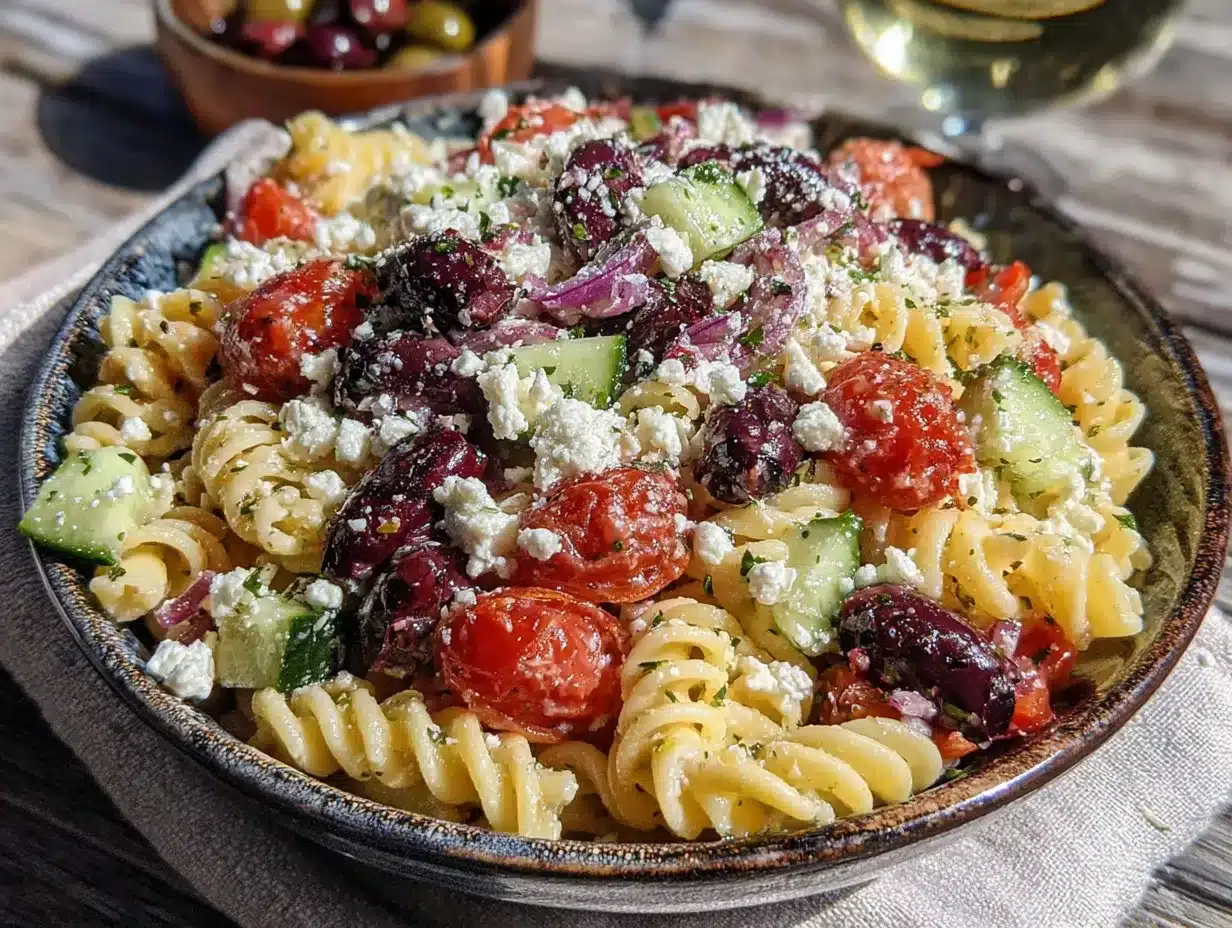
Sensory cues: When the dressing is ready, it should smell bright and herby—you should get a strong hit of lemon and oregano. When the pasta is al dente, it should have a slight resistance when you bite into it, but no chalky center. The finished salad should look vibrant—red tomatoes, green cucumbers and herbs, white feta, purple olives—a total feast for the eyes.
Cooking Tips & Techniques
I’ve made this Mediterranean pasta salad probably fifty times by now, and I’ve learned a few things along the way. Here are my best tips to make sure yours turns out perfect every time.
Salt your pasta water generously. This is the number one mistake I see people make. Your pasta water should taste like the ocean. That salt seasons the pasta from the inside, and since you’re rinsing it, you need that extra flavor. I use about a tablespoon of salt per 4-6 quarts of water.
Don’t overcook the pasta. I know I said this already, but it’s worth repeating. Overcooked pasta in a cold salad is just sad. Cook it to al dente—firm to the bite—because it will continue to soften slightly as it absorbs the dressing. Nobody wants mushy pasta salad.
Rinse the pasta thoroughly. I know some people say not to rinse pasta when you’re serving it hot, but for cold pasta salad, rinsing is essential. It stops the cooking, removes excess starch that would make the salad gummy, and cools it down so it doesn’t wilt the veggies or melt the feta too fast.
Let the salad rest before serving. This is the secret to the best flavor. If you can, make this salad an hour or two before you plan to serve it. The pasta absorbs the dressing, the flavors meld together, and everything just tastes more cohesive. I’ve made it the night before and it was even better the next day.
One mistake I made early on: I used to add all the dressing at once, and then the salad would be dry by the next day. Now I reserve about a third of the dressing and add it just before serving. This keeps the salad fresh and perfectly dressed, even if you have leftovers.
Drain the veggies well. Cucumbers and tomatoes release water as they sit. If you don’t drain them well, your salad can become watery. I pat my cucumber dice with a paper towel before adding them to the bowl. It makes a difference.
Variations & Adaptations
This recipe is incredibly adaptable, which is one of the reasons it’s become a staple in my kitchen. Here are some variations I’ve tried and loved.
Make it a main dish: Add grilled chicken, shrimp, or chickpeas for extra protein. I love tossing in some leftover grilled chicken breast that’s been chopped into bite-sized pieces. It turns the salad into a complete meal.
Go gluten-free: Use your favorite gluten-free pasta. I’ve made this with chickpea pasta and brown rice pasta, and both worked beautifully. Just be careful not to overcook them—gluten-free pastas can get mushy quickly.
Vegan version: Swap the feta for a good quality vegan feta or marinated tofu cubes. There are some really good plant-based fetas available now that crumble and taste similar to the real thing. I’ve also used marinated artichoke hearts for a different but delicious twist.
Seasonal swaps: In summer, add fresh corn kernels or diced zucchini. In fall, try roasted butternut squash cubes. In winter, use sun-dried tomatoes instead of fresh cherry tomatoes. The base recipe is so forgiving that you can really play with what’s in season.
Add some heat: If you like a little kick, add some crushed red pepper flakes to the dressing or toss in some sliced pepperoncini. The tangy heat pairs beautifully with the feta and olives.
Herb variations: Don’t have parsley and basil? Use fresh mint, dill, or even arugula for a peppery kick. I once made this with fresh mint from my garden and it was surprisingly amazing—super fresh and bright.
One personal variation I love: Sometimes I add a cup of cooked, cooled orzo or couscous to the mix for extra texture. It sounds weird, but it gives the salad a little more body and makes it even more satisfying.
Serving & Storage Suggestions
This Mediterranean pasta salad is incredibly versatile when it comes to serving. Here’s how I like to enjoy it.
Serving temperature: I prefer this salad at room temperature or slightly chilled. If it’s straight from the fridge, let it sit on the counter for 15-20 minutes before serving. The flavors really open up when it’s not ice cold.
Perfect pairings: This salad is fantastic alongside grilled meats like lamb chops, chicken skewers, or fish. It’s also great with a simple bowl of tomato soup or a crusty piece of bread for a light lunch. For a summer spread, I serve it with hummus, pita chips, and a big bowl of fresh fruit.
Storage: Store leftovers in an airtight container in the refrigerator for up to 4 days. The salad will continue to absorb the dressing, so you might want to add a splash of olive oil or lemon juice before serving leftovers to refresh it.
Freezing: I don’t recommend freezing this salad. The texture of the veggies and feta will suffer, and the pasta can become mushy. It’s really best enjoyed fresh or within a few days.
How flavors develop over time: Here’s the thing—this salad actually gets better after a day in the fridge. The pasta absorbs the dressing, the flavors meld together, and everything becomes more cohesive. I often make it the night before a party on purpose. Just remember to reserve some dressing to refresh it before serving.
Reheating: This is a cold salad, so no reheating needed! But if you want to serve it warm (which is also delicious), just let it come to room temperature or give it a quick 30-second spin in the microwave. The feta will soften and get a little creamy—it’s a different experience but equally good.
Nutritional Information & Benefits
This Mediterranean pasta salad is not just delicious—it’s packed with nutrients that are good for you. Here’s a rough breakdown per serving (based on 6 servings):
- Calories: ~320
- Protein: 9g
- Carbohydrates: 35g
- Fat: 16g
- Fiber: 4g
- Sugar: 5g
- Sodium: 480mg
Health benefits of key ingredients: The olive oil provides heart-healthy monounsaturated fats and antioxidants. The veggies—tomatoes, cucumber, bell pepper, and red onion—are loaded with vitamins, minerals, and fiber. Feta cheese offers calcium and protein, while olives add healthy fats and a punch of flavor. The lemon juice provides vitamin C and helps your body absorb the iron from the other ingredients.
Dietary considerations: This recipe is vegetarian and can easily be made gluten-free or vegan with the substitutions mentioned above. It’s naturally low in added sugar and contains no artificial ingredients. If you’re watching your sodium, use low-sodium feta and go easy on the added salt in the dressing.
My personal take: I love that this salad feels indulgent but is actually pretty balanced. It’s the kind of food that makes you feel good after eating it—satisfied but not weighed down. And honestly, that’s the best kind of comfort food.
FAQs
Can I make this Mediterranean pasta salad ahead of time?
Absolutely! In fact, I recommend it. Make it a day ahead and store it in the fridge. Just reserve some dressing to add before serving to refresh the flavors.
What pasta shape works best for this salad?
Rotini is my go-to because the spirals catch the dressing and veggie bits. But fusilli, penne, farfalle, or even orzo work great. Avoid long noodles like spaghetti—they’re harder to eat in a salad.
How do I keep the pasta from getting mushy?
Cook it to al dente (firm to the bite), rinse it thoroughly with cold water to stop the cooking, and drain it well. Also, don’t overdress it—add the dressing gradually so the pasta doesn’t get soggy.
Can I use bottled lemon juice instead of fresh?
I really don’t recommend it. Fresh lemon juice gives the dressing a bright, vibrant flavor that bottled juice just can’t replicate. It’s one of those small things that makes a big difference.
How long does this salad last in the fridge?
It will keep for up to 4 days in an airtight container. The flavors will meld and deepen over time, making it even more delicious. Just give it a good stir and maybe add a splash of olive oil before serving.
Conclusion
This Mediterranean pasta salad with feta is proof that sometimes the best recipes come from the most unexpected moments. What started as a potluck panic turned into one of my most-requested dishes, and I hope it becomes one of yours too.
I love that this salad is forgiving—you can swap in whatever veggies you have, adjust the dressing to your taste, and it still turns out delicious. It’s the kind of recipe that makes you look like a pro even when you’re just throwing things together. And honestly, that’s my favorite kind of cooking.
So go ahead and make this your own. Add some grilled chicken, throw in some extra olives, double the feta (I won’t judge). The beauty of this recipe is that it’s a starting point, not a rigid set of rules. Play with it, taste as you go, and make it yours.
I’d love to hear how it turns out for you! Drop a comment below and let me know if you tried any fun variations. And if you loved it as much as I do, share it with a friend who needs a new go-to potluck dish. Happy cooking!
Pin This Recipe!
Best Mediterranean Pasta Salad with Feta (20-Minute Easy Recipe)
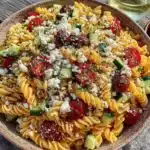
A quick and easy Mediterranean pasta salad with rotini, fresh veggies, creamy feta, and a bright lemon herb dressing. Perfect for potlucks, picnics, or a lazy dinner.
- Prep Time: 10 minutes
- Cook Time: 10 minutes
- Total Time: 20 minutes
- Yield: 6 servings 1x
- Category: Salad
- Cuisine: Mediterranean
Ingredients
- 12 oz (340 g) rotini pasta
- 1 cup (150 g) cherry tomatoes, halved
- 1 medium English cucumber, diced
- 1 medium red bell pepper, diced
- 1/2 medium red onion, thinly sliced
- 1/2 cup (75 g) Kalamata olives, halved
- 1 cup (150 g) feta cheese, crumbled
- 1/4 cup (15 g) fresh parsley, chopped
- 2 tablespoons fresh basil, chopped (optional)
- 1/3 cup (80 ml) extra virgin olive oil
- 3 tablespoons (45 ml) fresh lemon juice
- 1 tablespoon (15 ml) red wine vinegar
- 2 cloves garlic, minced
- 1 teaspoon dried oregano
- 1/2 teaspoon Dijon mustard
- 1/2 teaspoon salt
- 1/4 teaspoon black pepper
Instructions
- Bring a large pot of salted water to a boil. Add the rotini and cook until al dente, about 8-10 minutes.
- Drain the pasta and rinse thoroughly under cold water until cool. Shake off excess water.
- While the pasta cooks, halve the cherry tomatoes, dice the cucumber and bell pepper, thinly slice the red onion, and halve the olives.
- In a small bowl or mason jar, combine olive oil, lemon juice, red wine vinegar, minced garlic, dried oregano, Dijon mustard, salt, and pepper. Whisk or shake until emulsified.
- In a large mixing bowl, combine the cooled pasta, cherry tomatoes, cucumber, bell pepper, red onion, and olives. Pour about half the dressing over and toss gently.
- Gently fold in the crumbled feta, parsley, and basil (if using).
- Add the remaining dressing and toss again. Taste and adjust seasoning if needed.
- Let the salad rest at room temperature for 15-20 minutes before serving, or refrigerate for a few hours for best flavor.
- Serve topped with extra feta and fresh herbs.
Notes
For best flavor, let the salad rest for at least 15-20 minutes before serving. Reserve some dressing to add just before serving if making ahead. Soak sliced red onion in cold water for 10 minutes to mellow its bite. Use good quality feta packed in brine for best texture and taste.
Nutrition
- Serving Size: 1 serving (about 1.5
- Calories: 320
- Sugar: 5
- Sodium: 480
- Fat: 16
- Saturated Fat: 5
- Carbohydrates: 35
- Fiber: 4
- Protein: 9
Keywords: Mediterranean pasta salad, feta pasta salad, easy pasta salad, potluck salad, 20-minute recipe