This was supposed to be a lemon herb salmon situation. I had the fillets thawing on the counter, a beautiful bunch of dill, and this whole vision of a light, elegant dinner that would make me feel like I had my life together on a Tuesday night. But then the power flickered—just long enough to reset my timer, which I didn’t notice until the salmon had been sitting out way longer than it should have. And I was already running late from a work call that ran over by forty-five minutes, my kids were circling the kitchen asking what was for dinner, and honestly? I just grabbed the wrong bag from the freezer. Shrimp instead of salmon. A full pound of it.
I stood there for a second, holding this bag of frozen shrimp, feeling that familiar wave of panic. You know that feeling when dinner plans fall apart and you’re already hangry and tired? I almost ordered pizza. But something made me open the pantry instead. Garlic. Pasta. Butter. A sad little lemon rolling around in the bottom of the fridge. And I thought—okay, let’s just see what happens. I tossed the shrimp in a hot pan with way too much butter, threw in some garlic, and prayed. What came out was nothing like the plan. It was better. Way better. My kids actually stopped arguing long enough to eat seconds, and I sat there quietly stunned, thinking about how the best meals don’t come from perfect planning. They come from being flexible when things go wrong.
I’ve made this quick garlic butter shrimp pasta at least twice a month since that night. It’s the kind of recipe you don’t need to think too hard about, which is exactly what you need on a busy weeknight. Maybe you’ve been there—staring into the fridge, wondering how dinner got so complicated. This one’s for those nights.
Why You’ll Love This Recipe
Let me tell you why this quick garlic butter shrimp pasta has become my weeknight hero. I’ve tested this recipe more times than I can count, tweaking the butter-to-garlic ratio until it hit that perfect spot where the sauce coats every strand of pasta without being greasy. It’s chef-tested in the sense that I’ve made it for actual chefs (my brother-in-law who runs a restaurant kitchen), and even he asked for the recipe. That’s the kind of authority I trust.
- Quick & Easy: This comes together in under 15 minutes flat. Like, start-to-finish, pasta boiling while shrimp cooks, done. Perfect for those nights when you walk in the door at 6 PM and need food on the table by 6:15.
- Simple Ingredients: You probably have most of this in your kitchen right now. Butter, garlic, pasta, shrimp, lemon. No fancy grocery trips required—I mean it.
- Perfect for Busy Weeknights: This is the definition of a weeknight win. Minimal cleanup, maximum flavor, and zero stress.
- Crowd-Pleaser: I’ve served this to picky kids, skeptical in-laws, and hungry neighbors. Everyone reaches for seconds.
- Unbelievably Delicious: The texture of the shrimp—perfectly tender, not rubbery—combined with that garlic butter sauce is pure comfort. It’s the kind of meal that makes you close your eyes after the first bite.
What makes this recipe different from every other garlic butter shrimp pasta out there? It’s the technique. I don’t boil the garlic in the butter until it burns. I add it at just the right moment, letting it sizzle gently without going bitter. And I finish the pasta in the pan with the sauce, letting everything meld together. It’s not just another version—it’s my best version, born from a happy accident and refined through many, many bowls.
This isn’t just good. It’s comfort food reimagined—faster, simpler, but with the same soul-soothing satisfaction. Perfect for impressing guests without stress, or turning a chaotic Tuesday into something memorable.
What Ingredients You Will Need
This recipe uses simple, wholesome ingredients to deliver bold flavor and satisfying texture without the fuss. Most of these are pantry staples, which is exactly what you want on a busy night.
- Pasta (8 oz / 225 g): I prefer linguine or spaghetti for this—something that grabs onto the sauce. But honestly, any long pasta works. I’ve used fettuccine, angel hair, even penne in a pinch. (For gluten-free, use your favorite GF pasta—just cook it al dente.)
- Shrimp (1 lb / 450 g, peeled and deveined): Fresh or frozen, both work great. If using frozen, just thaw them under cold running water for a few minutes. I recommend medium to large shrimp (31-40 count per pound) for the best texture. Wild-caught is my preference when I can find it, but farmed works too.
- Butter (4 tbsp / 56 g, unsalted): This is the heart of the sauce. I use unsalted so I can control the salt level. Kerrygold is my go-to for its rich flavor, but any good butter works. (For dairy-free, use a high-quality vegan butter like Miyoko’s.)
- Garlic (4-5 cloves, minced): Fresh garlic is non-negotiable here. The pre-minced stuff in a jar just doesn’t have the same punch. I like to mince it myself right before cooking—the flavor is brighter and more aromatic.
- Lemon (1 large): You’ll need both the zest and the juice. The zest adds a fragrant brightness that you can’t get from juice alone. Roll the lemon on the counter before juicing to get more out of it.
- Red Pepper Flakes (¼ tsp, optional): This adds a subtle warmth, not heat. I add it because I like that little kick, but skip it if you’re sensitive to spice.
- Fresh Parsley (¼ cup, chopped): For color and freshness. Flat-leaf parsley is best, but curly works too. (If you don’t have parsley, chives or even basil make a good substitute.)
- Salt and Black Pepper: Kosher salt is my preference for seasoning the pasta water and the shrimp. Freshly cracked black pepper makes a difference—don’t use the pre-ground stuff.
- Pasta Water (½ cup / 120 ml, reserved): This is the secret weapon. The starchy water helps bind the sauce to the pasta and gives it that silky texture. Don’t skip this step.
Equipment Needed
You don’t need a fancy kitchen for this recipe. Here’s what you’ll need:
- Large Pot (5-6 quart): For boiling the pasta. I’ve used the same beat-up pot for years—it doesn’t need to be expensive, just big enough to give the pasta room to move.
- Large Skillet or Frying Pan (12-inch): A non-stick or stainless steel pan works. I prefer stainless steel because it gives better browning on the shrimp, but non-stick is easier for cleanup. (If you only have a small pan, cook the shrimp in batches to avoid overcrowding.)
- Colander: For draining the pasta. Nothing fancy needed.
- Chef’s Knife and Cutting Board: For mincing garlic and chopping parsley. A sharp knife makes this so much easier—I learned that the hard way after struggling with a dull blade for years.
- Microplane or Zester: For getting the lemon zest. A box grater works too, but a microplane is easier and gives finer zest.
- Measuring Spoons and Cups: For accuracy, especially with the butter and pasta water.
- Tongs: For tossing the pasta with the sauce. Two forks work in a pinch, but tongs make it so much easier.
Budget-friendly tip: If you don’t have a microplane, just use the small side of a box grater. And if you’re short on pots, cook the pasta first, drain it, and use the same pot to make the sauce—just wipe it out quickly.
Preparation Method
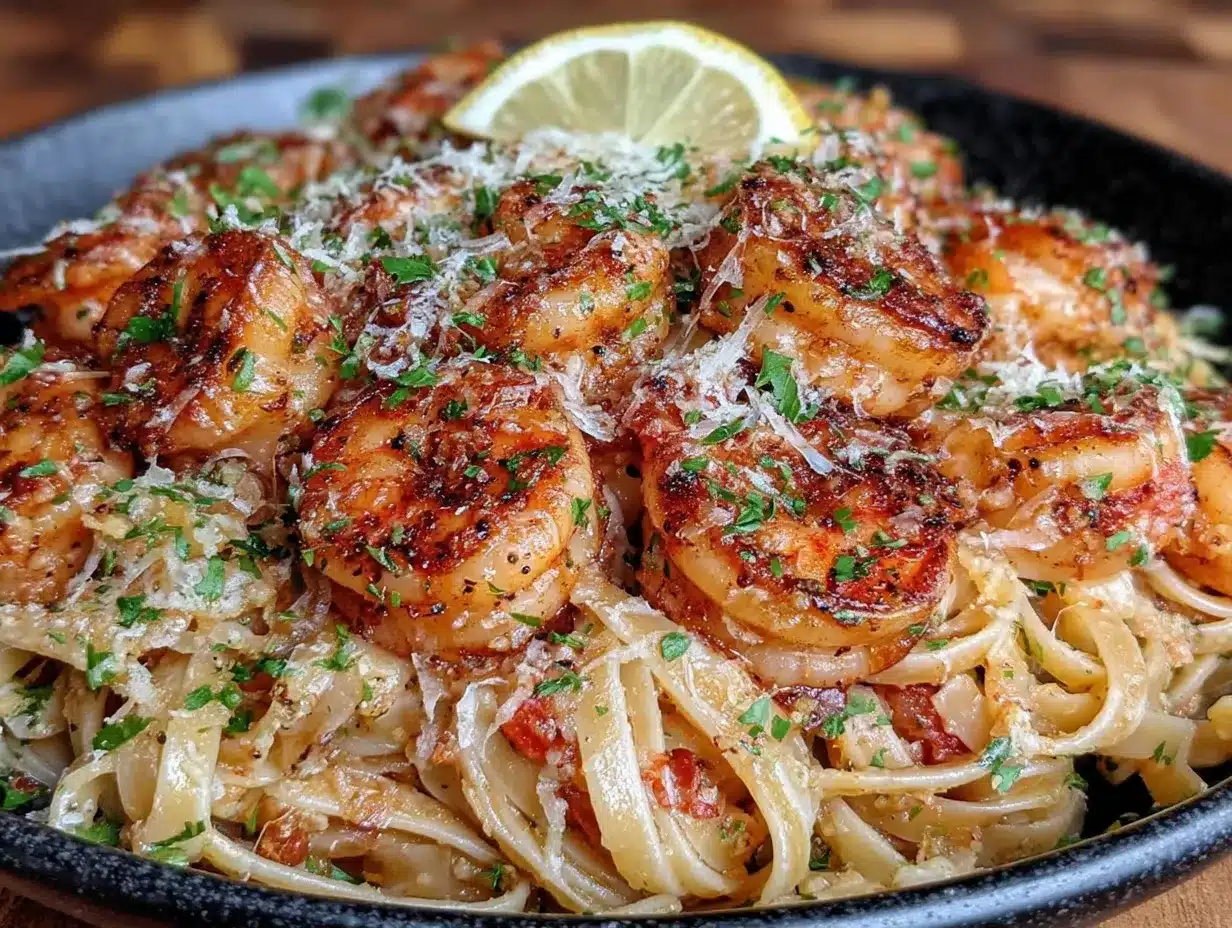
- Bring a large pot of salted water to a boil (5 minutes). Add about 1 tablespoon of salt per 4 quarts of water—it should taste like the sea. While the water heats, prep your ingredients: mince the garlic, chop the parsley, zest and juice the lemon. This saves so much time later.
- Cook the pasta according to package directions (8-10 minutes). I usually go for al dente, since it will cook a bit more in the sauce later. Before draining, reserve ½ cup of the pasta water. This is crucial—don’t forget! Drain the pasta and set it aside. (If it sits for more than a minute, toss it with a tiny bit of olive oil to prevent sticking.)
- While the pasta cooks, pat the shrimp dry with paper towels. This is the most important step for getting that beautiful golden sear. Wet shrimp will steam instead of brown. Season them generously with salt and a pinch of black pepper.
- Heat a large skillet over medium-high heat (1 minute). Add 2 tablespoons of the butter. Once it’s melted and sizzling (but not browning), add the shrimp in a single layer. Don’t crowd the pan—cook in two batches if needed. Let them cook undisturbed for 2 minutes, until the bottoms are golden.
- Flip the shrimp and cook for another 1-2 minutes. They should be pink and opaque, with a slight curl. Transfer them to a plate and set aside. Don’t overcook them—they’ll finish cooking in the sauce later.
- Reduce the heat to medium-low and add the remaining 2 tablespoons of butter. Let it melt, then add the minced garlic and red pepper flakes (if using). Cook for 30-45 seconds, stirring constantly, until the garlic is fragrant but not browned. Burnt garlic tastes bitter, so keep an eye on it.
- Add the reserved pasta water to the pan. Stir it around, scraping up any browned bits from the bottom of the pan. This is where all that flavor lives. Let it simmer for 30 seconds until slightly thickened.
- Add the cooked pasta to the skillet. Use tongs to toss it in the garlic butter sauce until every strand is coated. Add the lemon zest and half the lemon juice, tossing again. The pasta should look glossy and well-coated.
- Return the shrimp to the pan. Toss everything together gently for about 30 seconds, just until the shrimp are heated through. Taste and adjust seasoning—add more lemon juice, salt, or pepper as needed.
- Remove from heat and sprinkle with fresh parsley. Serve immediately, with extra lemon wedges on the side. The pasta will absorb the sauce as it sits, so eat it right away for the best texture.
Sensory cues to watch for: The garlic should smell fragrant and sweet, not sharp or burnt. The sauce should look silky and coat the back of a spoon. The shrimp should be pink all the way through with a slight golden crust on one side.
Cooking Tips & Techniques
I’ve made this quick garlic butter shrimp pasta more times than I can count, and I’ve learned a few things the hard way. Let me save you some trouble.
Don’t overcook the shrimp. This is the number one mistake. Shrimp cook in minutes, and they go from perfectly tender to rubbery in about 30 seconds. The moment they turn pink and curl into a loose C shape, they’re done. If they curl into a tight O, you’ve gone too far. I once got distracted by a phone call and ended up with shrimp that bounced like rubber balls. Not my finest moment.
Use cold butter for the sauce. Here’s a trick I picked up from a restaurant cook: when you add the butter to the pan, use it cold straight from the fridge. It melts more slowly and creates a creamier emulsion with the pasta water. Hot butter just melts into oil and separates.
Salt your pasta water generously. This is your only chance to season the pasta from the inside out. The water should taste salty, like seawater. I use about 1 tablespoon of kosher salt per 4 quarts of water. Trust me on this—undersalted pasta water is the reason so many pasta dishes taste flat.
Reserve more pasta water than you think you’ll need. I always save a full cup, even though the recipe calls for ½ cup. Sometimes you need a little extra to loosen the sauce, especially if the pasta sits for a minute before you toss it. Better to have too much than too little.
Timing is everything. Start the pasta water first, then prep your ingredients while it comes to a boil. Cook the shrimp while the pasta is boiling. Everything should come together in the last 2-3 minutes. Multitasking is key here—I like to set a timer for the pasta and keep an eye on the shrimp at the same time.
One thing I learned the hard way: Don’t rinse the pasta after draining. That starch is what helps the sauce cling to the noodles. Just drain it and toss it directly into the sauce. Rinsing is for cold pasta salads, not this.
Variations & Adaptations
This recipe is incredibly flexible. Here are some ways to make it your own:
Dietary Variations:
- Gluten-Free: Use your favorite gluten-free pasta. I like the brown rice pasta from Tinkyada—it holds up well and doesn’t get mushy. Just cook it al dente and reserve extra pasta water since GF pasta tends to absorb more sauce.
- Dairy-Free: Substitute the butter with a good vegan butter (Miyoko’s is my favorite) or use olive oil. The flavor will be different but still delicious. Add an extra splash of lemon juice for brightness.
- Low-Carb: Serve the garlic butter shrimp over zucchini noodles or spaghetti squash instead of pasta. The sauce works beautifully with vegetables.
Flavor Twists:
- Spicy: Double the red pepper flakes or add a minced fresh chili with the garlic. I’ve done this on nights when I need an extra kick, and it’s fantastic.
- Herby: Add fresh basil or oregano along with the parsley. In summer, I throw in a handful of cherry tomatoes at the end—they burst and create this amazing little sauce pockets.
- Cheesy: Sprinkle with Parmesan or Pecorino Romano when you add the pasta. The saltiness adds another layer of flavor. Just go easy—you don’t want to overpower the delicate shrimp.
Different Cooking Methods:
- One-Pot Method: Cook the pasta directly in the skillet with less water, then add the shrimp and sauce ingredients at the end. It saves on dishes but requires more attention to prevent sticking.
- Grilled Shrimp: In summer, I sometimes grill the shrimp instead of pan-searing them. Thread them on skewers, brush with olive oil, and grill for 2-3 minutes per side. The smoky flavor is incredible.
Personal variation I love: I once added a splash of white wine (about ¼ cup) along with the pasta water. It added this lovely acidity that brightened the whole dish. Use a dry white like Pinot Grigio or Sauvignon Blanc.
Serving & Storage Suggestions
Serving: Serve this quick garlic butter shrimp pasta immediately, while it’s hot and the sauce is still silky. I like to plate it in shallow bowls with a lemon wedge on the side and an extra sprinkle of parsley on top. It’s beautiful as is, but if you’re feeling fancy, add a light dusting of red pepper flakes for color.
This dish pairs beautifully with a simple green salad dressed with lemon vinaigrette, or some crusty bread to soak up any leftover sauce. For drinks, a crisp white wine like Sauvignon Blanc or a light beer works perfectly. My kids love it with sparkling water and a lemon slice—makes them feel fancy.
Storage: If you have leftovers (which is rare in my house), store them in an airtight container in the refrigerator for up to 2 days. The pasta will absorb some of the sauce overnight, so it won’t be quite as glossy the next day, but the flavor will still be great.
Reheating: The best way to reheat is in a skillet over medium-low heat with a splash of water or chicken broth. This helps loosen the sauce and prevents the shrimp from drying out. Microwave in 30-second bursts if you’re in a hurry, but add a little water first. I don’t recommend freezing this dish—the texture of the shrimp and pasta both suffer.
Flavor development note: This dish is best fresh, but I’ve noticed the flavors actually meld together nicely after a few hours in the fridge. The garlic mellows out and the lemon becomes more integrated. It’s not the same as fresh, but it’s still pretty darn good for lunch the next day.
Nutritional Information & Benefits
Here’s an approximate nutritional breakdown per serving (based on 4 servings):
| Nutrient | Amount |
|---|---|
| Calories | 425 |
| Protein | 28g |
| Fat | 18g |
| Saturated Fat | 10g |
| Carbohydrates | 42g |
| Fiber | 2g |
| Sugar | 2g |
| Sodium | 580mg |
This dish is packed with protein from the shrimp, which is also a great source of selenium and vitamin B12. The garlic offers anti-inflammatory benefits, and the lemon provides a boost of vitamin C. It’s relatively balanced for a quick weeknight meal—carbs for energy, protein for satiety, and fat for flavor.
If you’re watching your sodium, use unsalted butter and go easy on the salt in the pasta water. You can also reduce the butter to 3 tablespoons for a lighter version. For a lower-carb option, swap the pasta for zucchini noodles or serve the shrimp and sauce over a bed of arugula.
Potential allergens: Shellfish (shrimp), dairy (butter), gluten (pasta). For substitutions, check the variations section above.
From my perspective, this is one of those meals that feels indulgent but isn’t actually that heavy. It satisfies that craving for something rich without weighing you down. That’s a win in my book.
Conclusion
This quick garlic butter shrimp pasta is proof that the best meals don’t come from perfect planning. They come from being flexible when things go wrong—or in my case, when the power flickers and you grab the wrong bag from the freezer. It’s the kind of recipe that saves your sanity on a busy weeknight, the one you’ll turn to again and again when you need dinner on the table fast.
I love this recipe because it’s forgiving. You can adjust the garlic, add more lemon, throw in some extra veggies—it always works. It’s become my go-to for those nights when I’m tired, hungry, and just need something that tastes like I put in more effort than I actually did. And honestly? That’s the best kind of recipe to have in your back pocket.
So go ahead and make it your own. Add a little more butter if you’re feeling indulgent. Skip the red pepper if you’re cooking for kids. Toss in some cherry tomatoes if they’re sitting on your counter. And when you take that first bite and close your eyes, come back and tell me about it. I’d love to hear how your version turned out.
Drop a comment below and let me know—did you add any twists? What’s your favorite weeknight dinner shortcut? Share this recipe with someone who needs a quick dinner win. And hey, happy cooking!
Frequently Asked Questions
Can I use frozen shrimp without thawing first?
Yes, you can cook shrimp from frozen, but you’ll need to adjust the cooking time. Add an extra minute or two per side, and make sure they’re fully thawed and cooked through. The texture won’t be quite as tender as thawed shrimp, but it works in a pinch. Just pat them dry as best you can before adding them to the pan.
What kind of pasta works best for this recipe?
Long, thin pasta like linguine, spaghetti, or angel hair works best because the sauce clings to every strand. But honestly, any pasta shape works. I’ve used penne, farfalle, and even orzo with great results. Just adjust the cooking time based on the pasta shape.
Can I make this recipe ahead of time?
This dish is best enjoyed fresh, but you can prep ingredients ahead of time. Mince the garlic, chop the parsley, and zest the lemon up to a day in advance. Store them in the refrigerator. You can also cook the pasta ahead of time—just toss it with a little olive oil to prevent sticking and reheat it in the sauce when you’re ready.
How do I know when the shrimp is fully cooked?
Perfectly cooked shrimp turns pink and opaque all the way through. They’ll curl into a loose C shape—if they curl into a tight O, they’re overcooked. The internal temperature should reach 120°F (49°C). When in doubt, cut one open to check—it should be white and firm, not translucent or rubbery.
Can I add vegetables to this dish?
Absolutely! This recipe is great for adding whatever vegetables you have on hand. Cherry tomatoes, spinach, asparagus, or bell peppers all work well. Add them to the pan after cooking the shrimp and sauté for 2-3 minutes before adding the garlic. This is a great way to sneak in extra veggies for picky eaters.
Pin This Recipe!
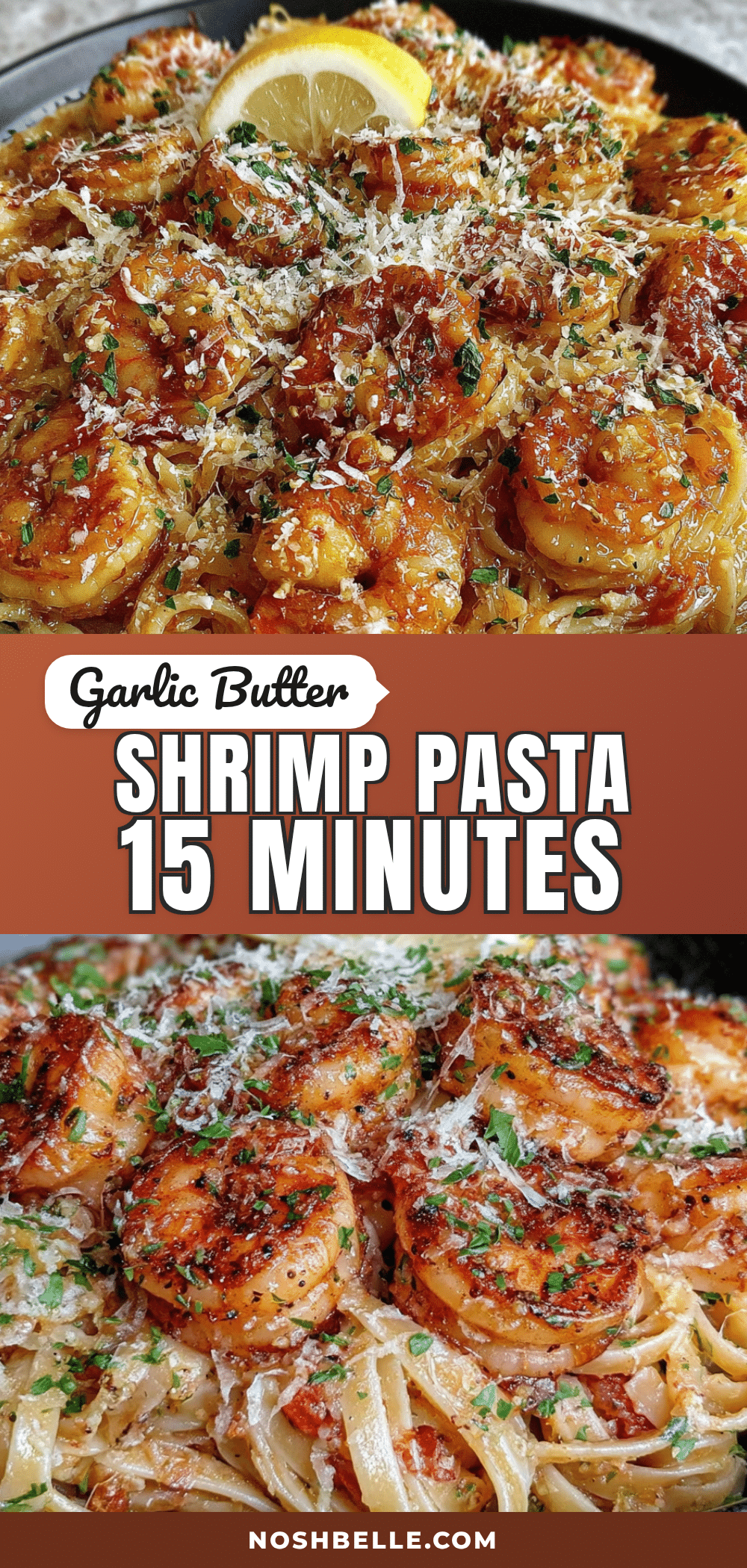
Quick Garlic Butter Shrimp Pasta Is the Best 15-Minute Dinner
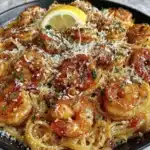
This quick garlic butter shrimp pasta comes together in under 15 minutes with simple ingredients like butter, garlic, shrimp, and lemon. It’s the perfect weeknight dinner that feels indulgent but is surprisingly easy to make.
- Prep Time: 5 minutes
- Cook Time: 10 minutes
- Total Time: 15 minutes
- Yield: 4 servings 1x
- Category: Main Course
- Cuisine: Italian-American
Ingredients
- 8 oz (225 g) pasta (linguine or spaghetti recommended)
- 1 lb (450 g) shrimp, peeled and deveined (fresh or frozen, thawed)
- 4 tbsp (56 g) unsalted butter
- 4–5 cloves garlic, minced
- 1 large lemon (zest and juice)
- ¼ tsp red pepper flakes (optional)
- ¼ cup fresh parsley, chopped
- Salt and black pepper to taste
- ½ cup (120 ml) reserved pasta water
Instructions
- Bring a large pot of salted water to a boil (about 5 minutes). While the water heats, mince garlic, chop parsley, and zest and juice the lemon.
- Cook the pasta according to package directions (8-10 minutes) until al dente. Before draining, reserve ½ cup of pasta water. Drain the pasta and set aside (toss with a little olive oil if it sits).
- While the pasta cooks, pat the shrimp dry with paper towels and season generously with salt and black pepper.
- Heat a large skillet over medium-high heat (1 minute). Add 2 tablespoons of butter. Once melted and sizzling, add the shrimp in a single layer. Cook undisturbed for 2 minutes until golden on the bottom.
- Flip the shrimp and cook for another 1-2 minutes until pink and opaque. Transfer to a plate and set aside.
- Reduce heat to medium-low and add the remaining 2 tablespoons of butter. Once melted, add the minced garlic and red pepper flakes (if using). Cook for 30-45 seconds, stirring constantly, until fragrant.
- Add the reserved pasta water to the pan, scraping up any browned bits. Let simmer for 30 seconds until slightly thickened.
- Add the cooked pasta to the skillet and toss with tongs until well coated. Add lemon zest and half the lemon juice, tossing again.
- Return the shrimp to the pan and toss gently for about 30 seconds until heated through. Adjust seasoning with more lemon juice, salt, or pepper as needed.
- Remove from heat, sprinkle with fresh parsley, and serve immediately with extra lemon wedges.
Notes
Don’t overcook the shrimp—they go from tender to rubbery quickly. Use cold butter for a creamier sauce. Salt the pasta water generously (like seawater). Reserve more pasta water than needed (up to 1 cup) in case you need to loosen the sauce. Do not rinse the pasta after draining; the starch helps the sauce cling.
Nutrition
- Serving Size: 1 serving (about 1/4
- Calories: 425
- Sugar: 2
- Sodium: 580
- Fat: 18
- Saturated Fat: 10
- Carbohydrates: 42
- Fiber: 2
- Protein: 28
Keywords: garlic butter shrimp pasta, quick dinner, weeknight meal, shrimp pasta, 15-minute recipe