My neighbor Kate wasn’t trying to impress anyone. I’d stopped by to borrow a ladder—our fence had blown down in a storm the night before—and the smell hit me before I even knocked. It was warm, a little sweet, and deeply savory, like something that had been simmering all day. She opened the door with oven mitts on, flour on her cheek, and said, “Oh, it’s just mac and cheese. I’m hiding vegetables in it for the kids.” She said it like it was nothing. Like she hadn’t just created something that smelled like a hug in a baking dish.
I stood in her doorway for a solid minute, honestly, just breathing it in. She waved me in and gestured to the counter, where a half-eaten bowl sat with a spoon still in it. “Try it,” she said, already walking back to the stove. So I did. And let me tell you—that first bite was a revelation. The cheese was rich and gooey, but there was this underlying sweetness, this velvety texture that made it feel almost luxurious. “Is that butternut squash?” I asked, and she just shrugged. “Pureed it in the sauce. The kids don’t even notice.”
I left that day with the ladder, the recipe scribbled on a scrap of paper, and a new obsession. Maybe you’ve been there—the moment you realize that comfort food can be both cozy and secretly good for you. That’s this recipe. It’s the kind of dish that makes you close your eyes after the first bite, not because it’s fancy, but because it just feels right. It’s been my go-to ever since, especially when the weather turns cold or I need something that feels like a warm blanket on a rough day.
Why You’ll Love This Recipe
I’ve tested this recipe more times than I care to admit, tweaking the cheese ratio, adjusting the squash puree consistency, and even trying different pasta shapes. Here’s why it’s become my absolute favorite—and why I think it’ll become yours too.
- Quick & Easy: Comes together in under 45 minutes, most of which is hands-off roasting. Perfect for a busy weeknight when you need comfort food fast.
- Simple Ingredients: No fancy grocery trips needed. You likely have most of this in your kitchen right now—pasta, cheese, milk, and a butternut squash.
- Perfect for Cozy Nights: This is the dish you make when the wind is howling outside or you’ve had a rough day. It’s pure, soul-soothing comfort.
- Crowd-Pleaser: I’ve served this to kids, picky eaters, and cheese snobs. It gets rave reviews every single time. The secret vegetable is undetectable.
- Unbelievably Delicious: The texture is next-level—creamy, cheesy, with a hint of sweetness from the squash that balances the sharp cheddar perfectly.
What makes this recipe different from the rest? It’s the technique. Instead of just adding cubed squash to the cheese sauce, I roast it first to concentrate the natural sugars, then puree it until silky smooth. This creates a sauce that’s velvety, not grainy, and the squash flavor melds seamlessly with the cheese. It’s not just another version of butternut squash mac and cheese—it’s the best version. The one that makes you forget you’re eating vegetables at all.
This recipe isn’t just good—it’s the kind that makes you close your eyes after the first bite. It’s comfort food reimagined: healthier, faster, but with the same soul-soothing satisfaction. Perfect for impressing guests without stress, or turning a simple Tuesday night into something memorable.
What Ingredients You Will Need
This recipe uses simple, wholesome ingredients to deliver bold flavor and satisfying texture without the fuss. Most of these are pantry staples, and the butternut squash does all the heavy lifting for creaminess.
For the Butternut Squash Puree
- 1 medium butternut squash, peeled, seeded, and cubed (about 3 cups cubed) — look for one that feels heavy for its size; that means it’s fresh and moist
- 2 tablespoons olive oil — I prefer extra virgin for roasting, but any neutral oil works
- 1/2 teaspoon salt — kosher salt is best for even seasoning
- 1/4 teaspoon black pepper — freshly ground, if you have it
For the Pasta
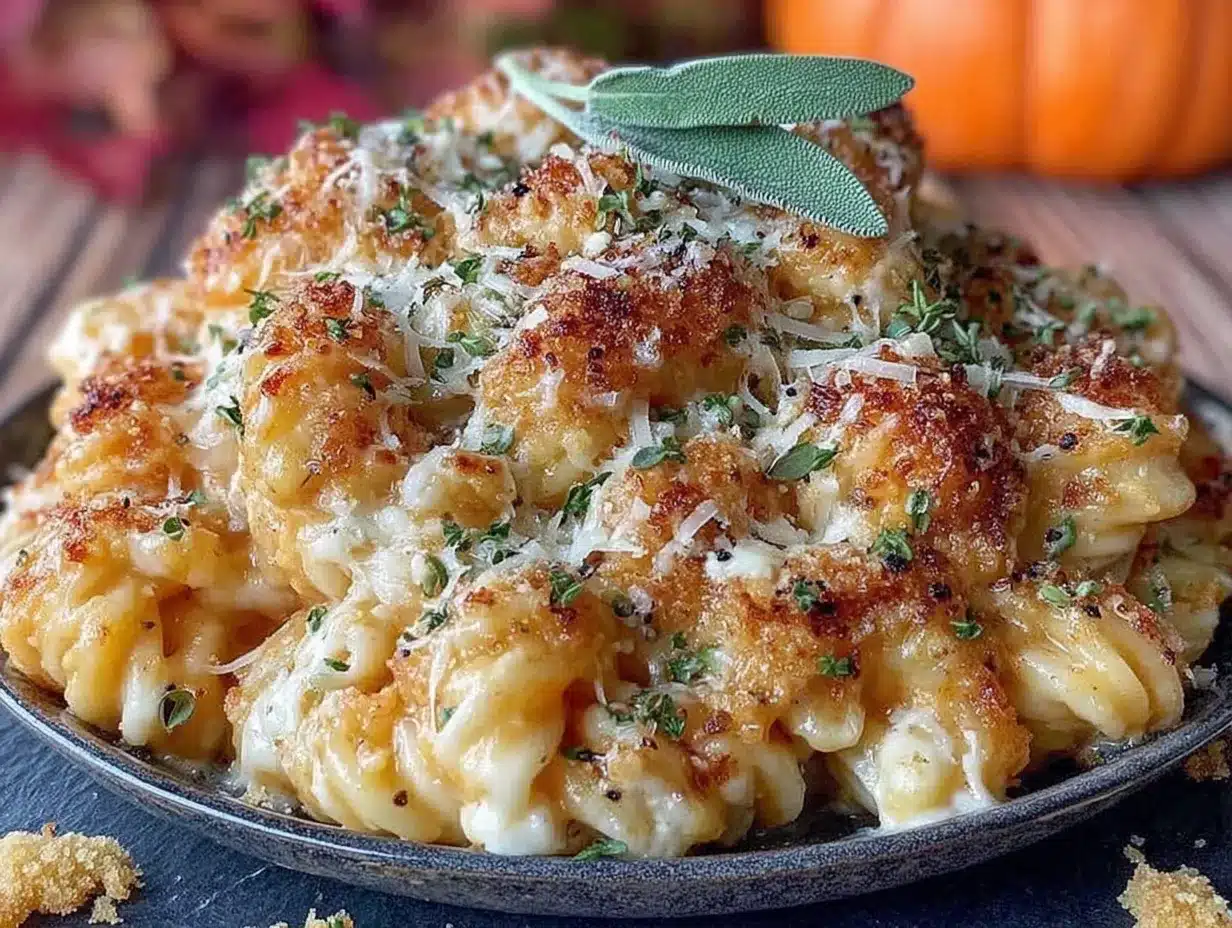
- 12 ounces (340g) elbow macaroni — or any short pasta like cavatappi, shells, or rotini (gluten-free pasta works great here)
- 1 tablespoon salt — for the pasta water, don’t skip this; it seasons the pasta from the inside out
For the Cheese Sauce
- 3 tablespoons unsalted butter — salted butter works too, just reduce the added salt slightly
- 3 tablespoons all-purpose flour — use a gluten-free 1:1 blend if needed
- 2 cups whole milk — 2% works, but whole milk gives the creamiest result (use unsweetened oat milk for dairy-free)
- 1 cup roasted butternut squash puree — this is the star of the show
- 2 cups (8 ounces) sharp cheddar cheese, shredded — I recommend Tillamook or Cabot for the best melt and flavor
- 1/2 cup (2 ounces) Gruyère cheese, shredded — adds nuttiness and extra creaminess; substitute with more cheddar if needed
- 1/4 cup (1 ounce) Parmesan cheese, grated — for that salty, umami kick
- 1/2 teaspoon garlic powder — not fresh garlic, which can make the sauce grainy
- 1/4 teaspoon smoked paprika — optional, but adds a lovely warmth that complements the squash
- 1/2 teaspoon salt, or to taste
- 1/4 teaspoon black pepper
For the Topping (Optional but Recommended)
- 1/2 cup panko breadcrumbs — regular or gluten-free
- 2 tablespoons melted butter — for tossing with the breadcrumbs
- 2 tablespoons grated Parmesan — adds a crispy, salty crust
Ingredient Selection Tip: For the smoothest puree, look for a butternut squash that’s firm with no soft spots. I’ve found that smaller squashes tend to be sweeter and less watery. If you’re short on time, you can use frozen cubed butternut squash—just thaw and pat dry before roasting.
Equipment Needed
You don’t need a fancy kitchen to make this recipe. Here’s what you’ll need:
- Baking sheet — for roasting the squash. A rimmed sheet is best to catch any juices.
- Large pot — for boiling pasta. A 5-6 quart pot is ideal.
- Medium saucepan — for making the cheese sauce. A heavy-bottomed one prevents scorching.
- Blender or food processor — to puree the roasted squash. An immersion blender works too, but you’ll need a deep bowl.
- Whisk — for a smooth, lump-free sauce. A silicone whisk is my favorite because it won’t scratch your pans.
- Wooden spoon or spatula — for stirring the pasta and sauce together.
- 9×13-inch baking dish — for the final bake. A 3-quart dish works perfectly.
- Cheese grater — please, please grate your own cheese. Pre-shredded cheese has anti-caking agents that prevent smooth melting.
Budget-Friendly Tip: If you don’t have a blender, you can mash the roasted squash with a fork or potato masher. It won’t be as silky, but it’ll still taste amazing. And if you don’t have a 9×13 dish, you can use a 10-inch cast iron skillet or even individual ramekins for a fun presentation.
Preparation Method
Let’s get cooking. This might look like a lot of steps, but I promise it’s straightforward. I’ve broken it down so you can follow along easily.
Step 1: Roast the Butternut Squash
Preheat your oven to 400°F (200°C). Toss the cubed butternut squash with olive oil, salt, and pepper on a baking sheet. Spread it in a single layer—crowding the pan will steam it instead of roasting. Roast for 25-30 minutes, flipping halfway through, until the squash is tender and the edges are lightly caramelized. You’ll know it’s done when a fork slides through easily. Let it cool for 5 minutes.
Step 2: Make the Squash Puree
Transfer the roasted squash to a blender or food processor. Blend until completely smooth, scraping down the sides as needed. You should have about 1 cup of puree. If it’s too thick, add a tablespoon of water or milk to help it along. Set aside. (Pro tip: Make extra puree and freeze it in ice cube trays for future batches!)
Step 3: Cook the Pasta
While the squash roasts, bring a large pot of salted water to a boil. Add the pasta and cook according to package directions until al dente—usually 7-9 minutes. Drain the pasta, but reserve about 1/2 cup of pasta water. Do not rinse the pasta; the starch helps the sauce cling. Set aside.
Step 4: Make the Cheese Sauce
In a medium saucepan, melt the butter over medium heat. Once it’s bubbling, whisk in the flour and cook for 1-2 minutes, stirring constantly. This is your roux, and it should smell nutty and look like wet sand. Slowly pour in the milk while whisking vigorously to prevent lumps. Continue whisking until the mixture thickens, about 3-4 minutes. It should coat the back of a spoon.
Reduce the heat to low. Add the butternut squash puree and whisk until fully incorporated. Now, add the shredded cheeses one handful at a time, whisking until each addition is fully melted before adding the next. Stir in the garlic powder, smoked paprika, salt, and pepper. Taste and adjust seasoning—you might want a pinch more salt or a dash of cayenne for heat.
Step 5: Combine Pasta and Sauce
Pour the cheese sauce over the cooked pasta and stir until every piece is coated. If the sauce seems too thick, add a splash of the reserved pasta water to loosen it up. The sauce will continue to thicken as it cools, so don’t worry if it looks a bit loose at this stage.
Step 6: Assemble and Bake (Optional)
Preheat your oven to 375°F (190°C). Transfer the mac and cheese to a greased 9×13-inch baking dish. If you’re using the panko topping, mix the breadcrumbs with melted butter and Parmesan, then sprinkle evenly over the top. Bake for 15-20 minutes, until bubbly and golden on top. For extra crunch, broil for 1-2 minutes at the end—but watch it closely, breadcrumbs burn fast!
Step 7: Rest and Serve
Let the mac and cheese rest for 5 minutes after baking. This allows the sauce to set slightly, so it’s creamy but not runny. Serve warm, and prepare for compliments.
Cooking Tips & Techniques
I’ve made this recipe at least two dozen times, and I’ve learned a few things the hard way. Here are my best tips to ensure success every time.
Don’t skip roasting the squash. I once tried boiling the squash to save time, and the puree was watery and bland. Roasting concentrates the natural sugars and deepens the flavor. It’s worth the extra 10 minutes.
Grate your own cheese. I cannot stress this enough. Pre-shredded cheese is coated with cellulose and starches to prevent clumping, which also prevents smooth melting. Your sauce will be grainy. Take the 5 minutes to grate a block of cheddar—your taste buds will thank you.
Low and slow for the sauce. When you add the cheese, keep the heat on low. High heat can cause the cheese to seize up and become oily. Patience is key here. I learned this lesson when I got distracted and ended up with a clumpy, greasy mess. Now I set a timer and stir constantly.
Use the pasta water. That starchy water is liquid gold. If your sauce is too thick after combining, a splash of pasta water will loosen it without diluting the flavor. It’s a trick I picked up from Italian cooking, and it works beautifully here.
Season in layers. Don’t just rely on the cheese for salt. Season the squash, the pasta water, and the sauce separately. Each layer builds flavor, so the final dish tastes balanced, not flat.
Multitask like a pro. While the squash roasts, boil your pasta water. While the pasta cooks, make the sauce. This recipe comes together in under 45 minutes if you plan ahead. I usually start the squash first, then prep everything else while it’s in the oven.
Variations & Adaptations
This recipe is incredibly forgiving, and I’ve tried several variations over the years. Here are my favorites:
Make it Gluten-Free
Use gluten-free pasta (I like Barilla’s gluten-free elbows) and swap the all-purpose flour for a 1:1 gluten-free flour blend. The sauce might be slightly thinner, but it still tastes amazing. Also use gluten-free panko for the topping.
Add Protein
Stir in 2 cups of shredded rotisserie chicken or crumbled cooked bacon before baking. The smoky saltiness of bacon pairs beautifully with the sweet squash. I’ve also added leftover Italian sausage—spicy or sweet—and it was incredible.
Make it Dairy-Free
Use unsweetened oat milk or cashew milk for the sauce, and swap the butter for vegan butter or olive oil. For the cheese, use a high-quality dairy-free cheddar shred (I like Violife or Miyoko’s). The texture won’t be exactly the same, but the squash puree adds enough creaminess to make it satisfying.
Add Greens
Fold in 2 cups of chopped kale or spinach after you’ve combined the pasta and sauce. The residual heat will wilt the greens without making them mushy. It’s an easy way to add more nutrients and color.
Spice It Up
Add 1/4 teaspoon of cayenne pepper or a pinch of red pepper flakes to the cheese sauce. The heat cuts through the richness and complements the sweet squash. I do this when I’m craving something with a little kick.
Seasonal Twist
In the fall, swap the butternut squash for roasted pumpkin or sweet potato. In the spring, try using asparagus puree for a lighter, greener version. The technique stays the same—just adjust the roasting time based on the vegetable.
Serving & Storage Suggestions
This mac and cheese is best served warm, straight from the oven, when the cheese sauce is still molten and the topping is crispy. I like to scoop it into bowls and top with a sprinkle of fresh parsley or chives for color. A side of roasted broccoli or a simple green salad with lemon vinaigrette balances the richness perfectly.
What to drink with it: A crisp white wine like Sauvignon Blanc cuts through the creaminess, or try a light beer like a pilsner. For non-alcoholic options, sparkling water with lemon or a warm apple cider are cozy choices.
Storage: Leftovers keep well in an airtight container in the refrigerator for up to 4 days. The sauce will thicken as it cools, so don’t be alarmed if it looks more like a casserole the next day.
Reheating: The best way to reheat is in the oven at 350°F (175°C) for 10-15 minutes, covered with foil to prevent drying. For a quick fix, microwave individual portions in 30-second bursts, stirring in between. Add a splash of milk to restore creaminess if needed.
Freezing: This mac and cheese freezes beautifully. Assemble the dish (without the panko topping) and freeze for up to 3 months. When ready to bake, thaw overnight in the fridge, add the topping, and bake as directed. If baking from frozen, add 15-20 minutes to the baking time.
Flavor Development: Honestly, this dish tastes even better the next day. The flavors meld together overnight, and the sauce becomes even more cohesive. I often make it a day ahead on purpose—just don’t add the topping until right before baking.
Nutritional Information & Benefits
Here’s the estimated nutrition per serving (based on 8 servings, with the panko topping):
| Nutrient | Amount per Serving |
|---|---|
| Calories | 420 |
| Total Fat | 22g |
| Saturated Fat | 12g |
| Cholesterol | 60mg |
| Sodium | 680mg |
| Total Carbohydrates | 42g |
| Dietary Fiber | 4g |
| Sugars | 6g |
| Protein | 18g |
| Vitamin A | 180% DV |
| Vitamin C | 25% DV |
| Calcium | 35% DV |
| Iron | 10% DV |
The star ingredient here is butternut squash. It’s packed with vitamin A (great for eye health and immunity), vitamin C, fiber, and potassium. By using squash as the base of the sauce, you’re cutting down on the amount of cheese and butter needed, which reduces saturated fat without sacrificing creaminess. Plus, the fiber from the squash helps keep you full longer—a win for comfort food that actually satisfies.
Dietary Notes: This recipe is vegetarian. It can be made gluten-free and dairy-free with the substitutions listed above. Contains dairy and gluten in its standard form.
Conclusion
This butternut squash mac and cheese has become my go-to for so many reasons. It’s the dish I make when I need comfort, when I want to impress without stress, and when I’m craving something that feels indulgent but secretly has a vegetable hidden inside. It’s the recipe that my neighbor Kate made look like nothing, but that has become something truly special in my kitchen.
I love that this recipe is flexible—you can tweak the cheese, add protein, or swap the squash for whatever you have on hand. It’s forgiving and foolproof, even for beginner cooks. And honestly, the way it fills your kitchen with that warm, savory-sweet aroma? That’s worth the price of admission alone.
I’d love to hear how yours turns out. Did you add bacon? Swap the cheddar for gouda? Forget the topping and eat it straight from the pot? (I’ve done that more times than I’ll admit.) Drop a comment below and let me know your twist on this cozy classic. And if you’re craving more comfort food with a healthy twist, don’t forget to share this recipe with a friend who needs a hug in a bowl.
Frequently Asked Questions
Can I use frozen butternut squash instead of fresh?
Absolutely! Use about 3 cups of frozen cubed squash. Thaw it first, pat it dry to remove excess moisture, then roast as directed. The texture might be slightly softer, but the flavor will still be great.
Why did my cheese sauce turn out grainy?
This usually happens for two reasons: using pre-shredded cheese (which contains anti-caking agents) or overheating the sauce. Always grate your own cheese and keep the heat on low when melting it. If it does get grainy, try whisking in a splash of cold milk to smooth it out.
Can I make this ahead of time?
Yes! Assemble the mac and cheese completely (without the panko topping) and refrigerate for up to 2 days. When ready to bake, add the topping and bake at 375°F for 20-25 minutes, until bubbly and hot throughout.
How do I make the sauce thicker?
If your sauce is too thin, let it simmer for an extra 2-3 minutes after adding the cheese. The starch from the flour will continue to thicken it. You can also add an extra tablespoon of flour to the roux next time. Remember, the sauce will thicken more as it bakes.
Can I use a different type of squash?
Definitely! Kabocha, acorn squash, or even pumpkin work beautifully. Just note that different squashes have varying water content—if yours seems watery after roasting, drain off any excess liquid before pureeing. Sweet potato is also a fantastic substitute.
Pin This Recipe!
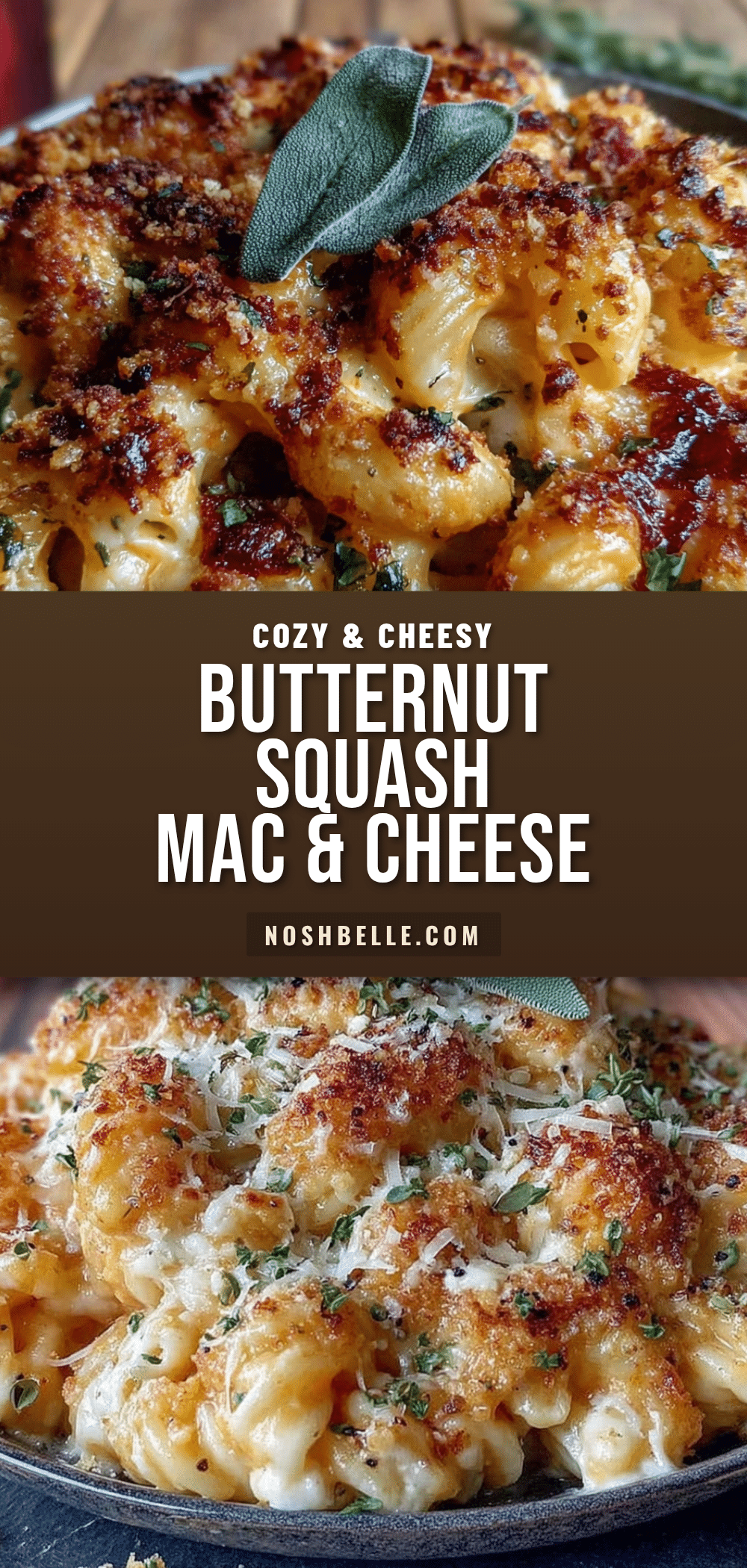
Best Easy Butternut Squash Mac and Cheese Recipe
This butternut squash mac and cheese is the ultimate comfort food—creamy, cheesy, and secretly packed with roasted squash for a velvety sauce. It’s quick, easy, and perfect for cozy nights or impressing guests.
- Prep Time: 15 minutes
- Cook Time: 30 minutes
- Total Time: 45 minutes
- Yield: 8 servings 1x
- Category: Main Course
- Cuisine: American
Ingredients
- 1 medium butternut squash, peeled, seeded, and cubed (about 3 cups cubed)
- 2 tablespoons olive oil
- 1/2 teaspoon salt
- 1/4 teaspoon black pepper
- 12 ounces (340g) elbow macaroni
- 1 tablespoon salt (for pasta water)
- 3 tablespoons unsalted butter
- 3 tablespoons all-purpose flour
- 2 cups whole milk
- 1 cup roasted butternut squash puree
- 2 cups (8 ounces) sharp cheddar cheese, shredded
- 1/2 cup (2 ounces) Gruyère cheese, shredded
- 1/4 cup (1 ounce) Parmesan cheese, grated
- 1/2 teaspoon garlic powder
- 1/4 teaspoon smoked paprika (optional)
- 1/2 teaspoon salt (or to taste)
- 1/4 teaspoon black pepper
- 1/2 cup panko breadcrumbs (optional topping)
- 2 tablespoons melted butter (for topping)
- 2 tablespoons grated Parmesan (for topping)
Instructions
- Preheat oven to 400°F (200°C). Toss cubed butternut squash with olive oil, salt, and pepper on a baking sheet. Spread in a single layer and roast for 25-30 minutes, flipping halfway, until tender and lightly caramelized. Let cool for 5 minutes.
- Transfer roasted squash to a blender or food processor. Blend until completely smooth, scraping down sides as needed. You should have about 1 cup of puree. Set aside.
- Bring a large pot of salted water to a boil. Add pasta and cook according to package directions until al dente (7-9 minutes). Drain, reserving 1/2 cup pasta water. Do not rinse.
- In a medium saucepan, melt butter over medium heat. Whisk in flour and cook for 1-2 minutes, stirring constantly, until nutty and sand-like. Slowly pour in milk while whisking vigorously. Continue whisking until thickened, about 3-4 minutes.
- Reduce heat to low. Add butternut squash puree and whisk until incorporated. Add shredded cheeses one handful at a time, whisking until melted before adding the next. Stir in garlic powder, smoked paprika, salt, and pepper. Taste and adjust seasoning.
- Pour cheese sauce over cooked pasta and stir until coated. If too thick, add a splash of reserved pasta water.
- Preheat oven to 375°F (190°C). Transfer mac and cheese to a greased 9×13-inch baking dish. If using topping, mix panko with melted butter and Parmesan, then sprinkle evenly over top. Bake for 15-20 minutes until bubbly and golden. For extra crunch, broil 1-2 minutes.
- Let rest for 5 minutes before serving. Serve warm.
Notes
Don’t skip roasting the squash—it concentrates the natural sugars and deepens flavor. Always grate your own cheese for a smooth sauce. Keep heat low when melting cheese to prevent graininess. Use reserved pasta water to adjust sauce consistency. This dish tastes even better the next day.
Nutrition
- Serving Size: 1 serving (about 1 c
- Calories: 420
- Sugar: 6
- Sodium: 680
- Fat: 22
- Saturated Fat: 12
- Carbohydrates: 42
- Fiber: 4
- Protein: 18
Keywords: butternut squash mac and cheese, healthy mac and cheese, hidden vegetable mac and cheese, easy mac and cheese, comfort food